
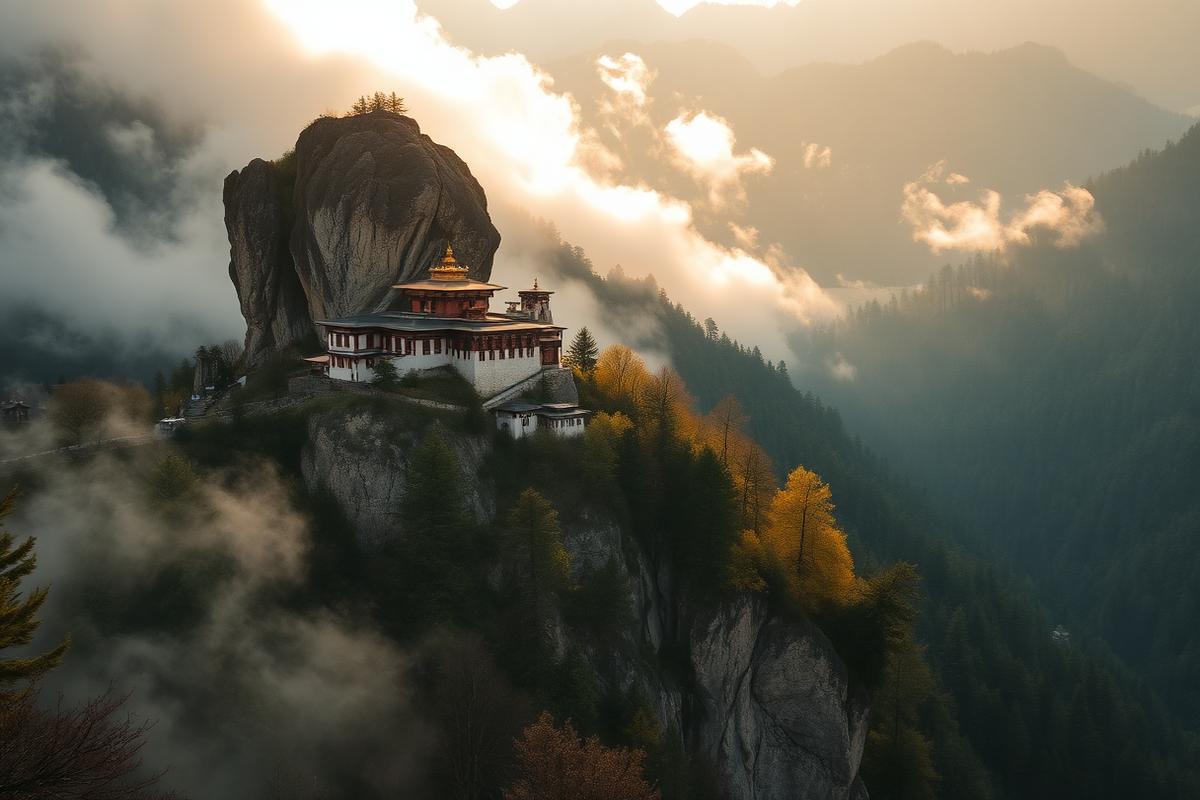
A Himalayan kingdom of cliffside monasteries, glacial valleys, and a tourism model built around fewer visitors and deeper experiences.
Bhutan is the rare place that has chosen depth over volume. Valleys are quiet, trails are empty, and dzongs and monasteries are still working religious centers rather than museums. The hike up to Paro Taktsang — the Tiger's Nest — is the image everyone knows, but the days on either side of it are what people remember.
A good route usually moves west to east: Paro and Thimphu to settle in, then over the pass into Punakha's warm river valley, and on to the glacial bowl of Phobjikha, where black-necked cranes winter and the pace slows to almost nothing.
For the more active: a friend who runs my Nepal helicopter operations also organizes heli-biking here — a lift to a high pass at dawn, then a long descent on mountain bikes through pine forest and villages. It's the fastest way to see terrain that would otherwise take days of trekking.
Bhutan works beautifully as a two-week trip on its own, or paired with a few days in Nepal or northern India. Everything is arranged with licensed local guides and drivers, and we handle the Sustainable Development Fee and permits as part of the planning.
Trip highlights
- The hike to Paro Taktsang (Tiger's Nest) monastery
- Punakha Dzong at the confluence of two rivers
- Phobjikha Valley and the wintering black-necked cranes
- Farmhouse dinners, hot stone baths, and village walks
- Archery matches, festivals, and working monasteries
- Multi-day treks, from easy valley loops to the Druk Path
- Heli-biking: fly to a high pass and ride the descent
Signature experiences
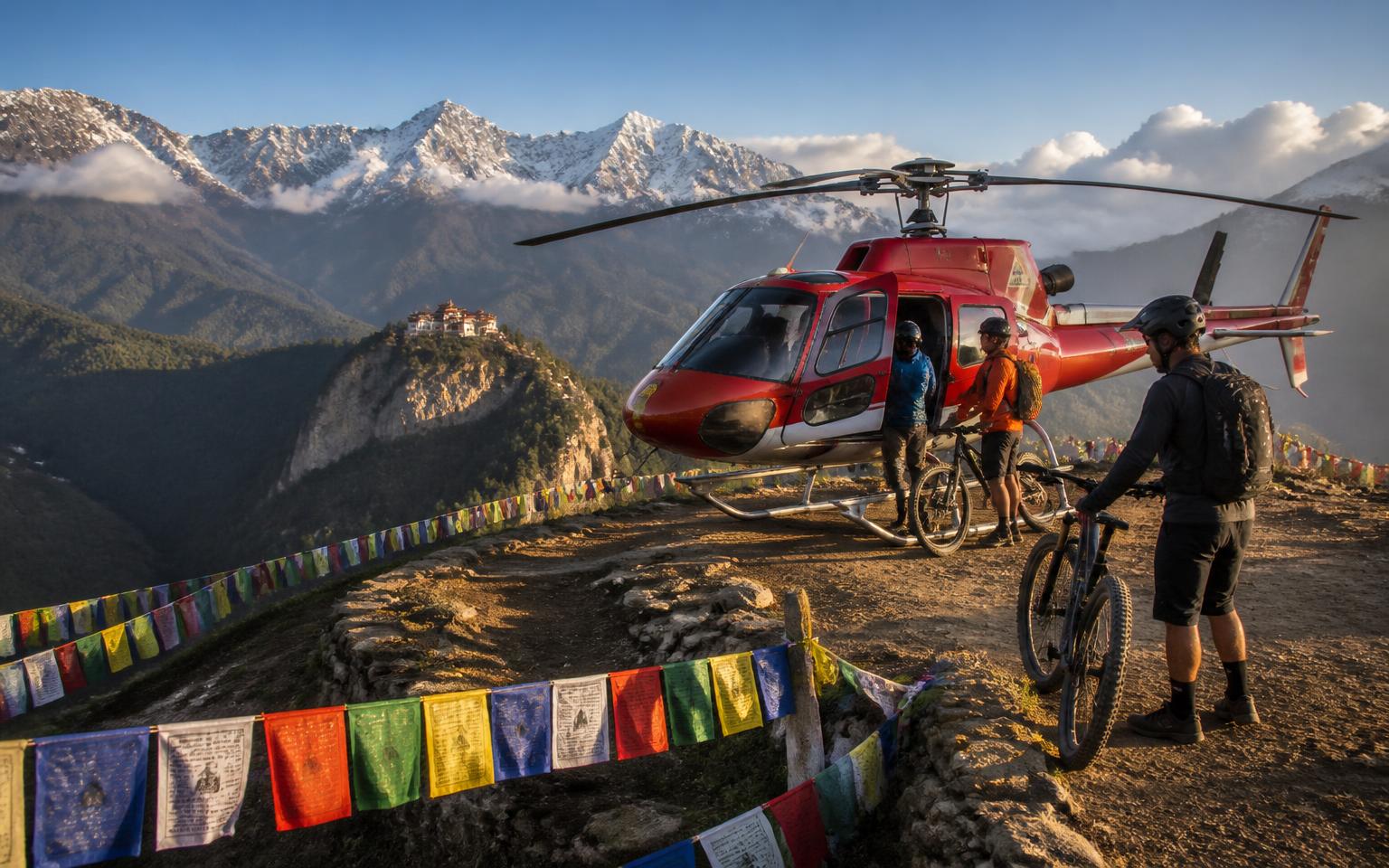
Heli-biking the high passes
A friend of mine — the same operator I work with in Nepal — runs helicopter mountain-biking trips in Bhutan. You fly out of Paro at first light, land on a ridge or high pass most people would need two days to trek to, unload the bikes, and ride the descent down through blue pine forest, farm tracks, and villages, finishing with a hot stone bath. It can be a single big day or strung together over several, tailored to how hard you want to ride.
Where to stay
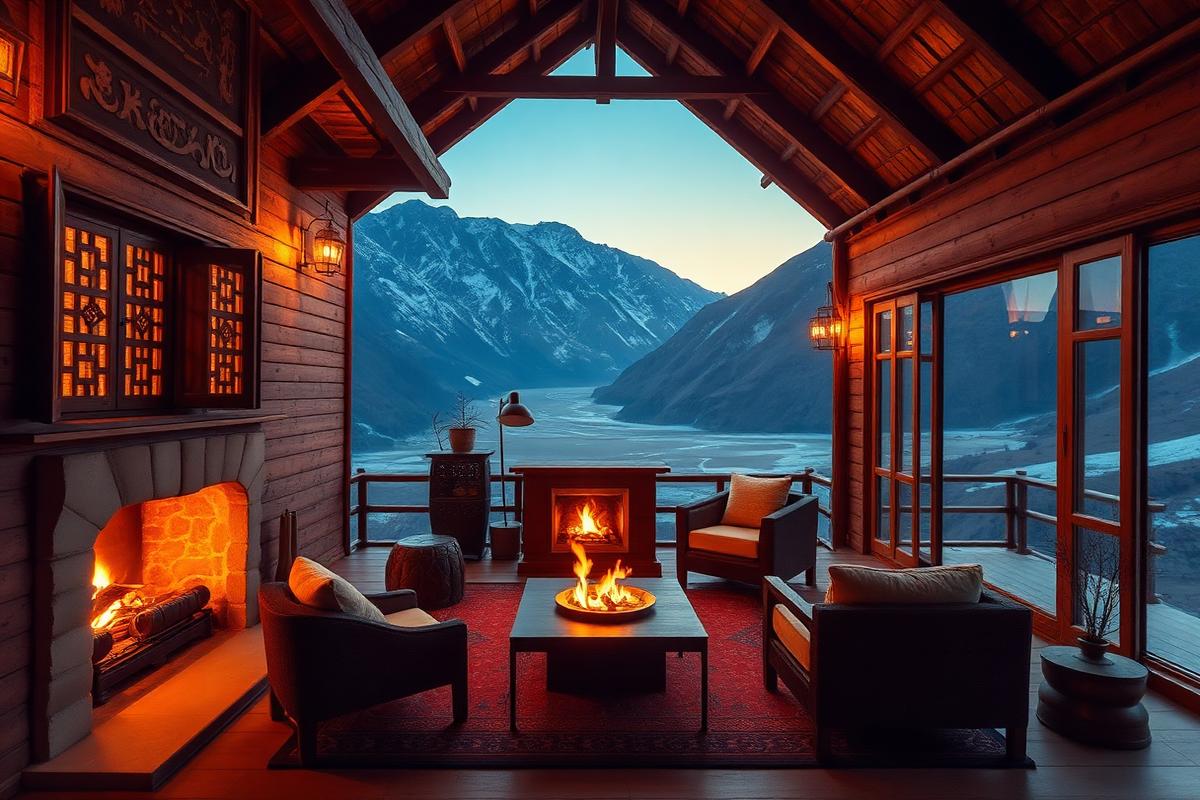 Gangtey Lodge — Phobjikha Valley
The different one — a single small lodge in one village rather than a circuit of five. Twelve suites in a restored Bhutanese farmhouse setting overlooking the Phobjikha Valley, with wood-burning bukhari stoves, hot stone baths, and guides who genuinely live in the valley. My pick for travelers who want one place, deeply, instead of hopping lodges.
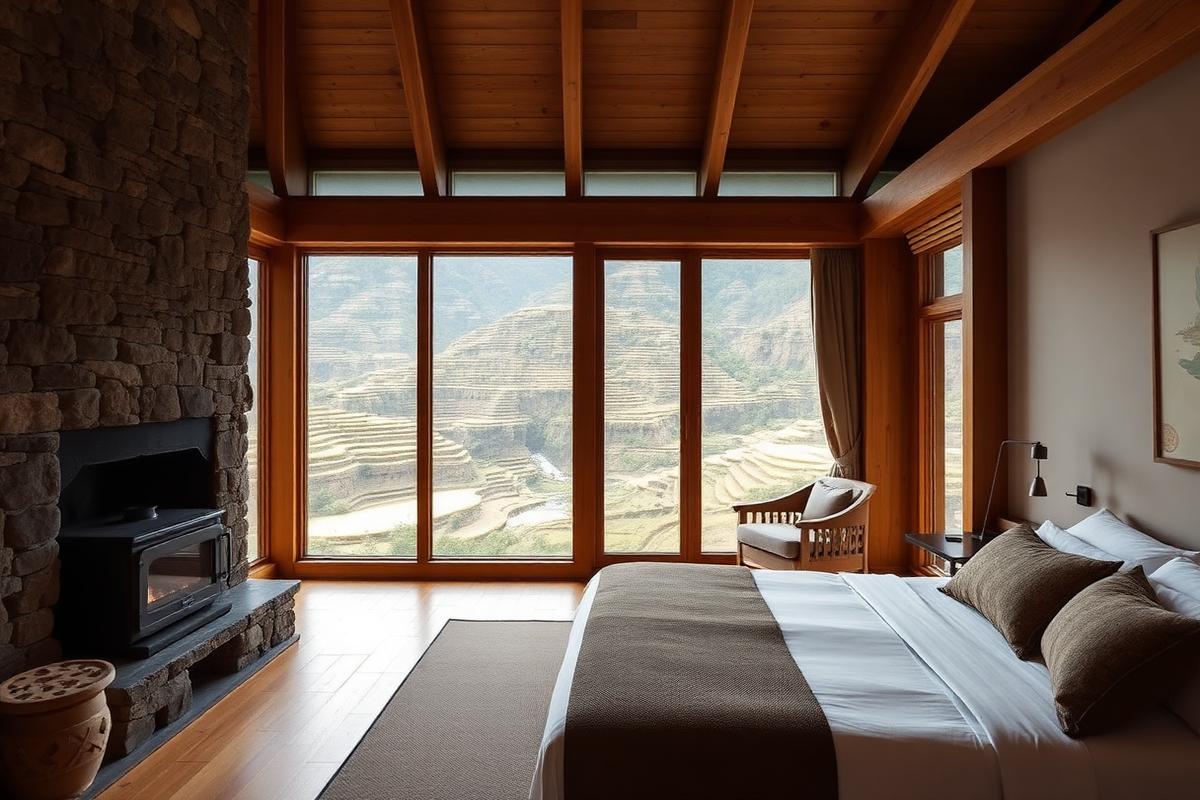 Amankora — Paro, Thimphu, Punakha, Gangtey, Bumthang
Five separate lodges strung across the valleys, designed to be traveled as a circuit. Spare, monastic architecture and the most polished service in the country.
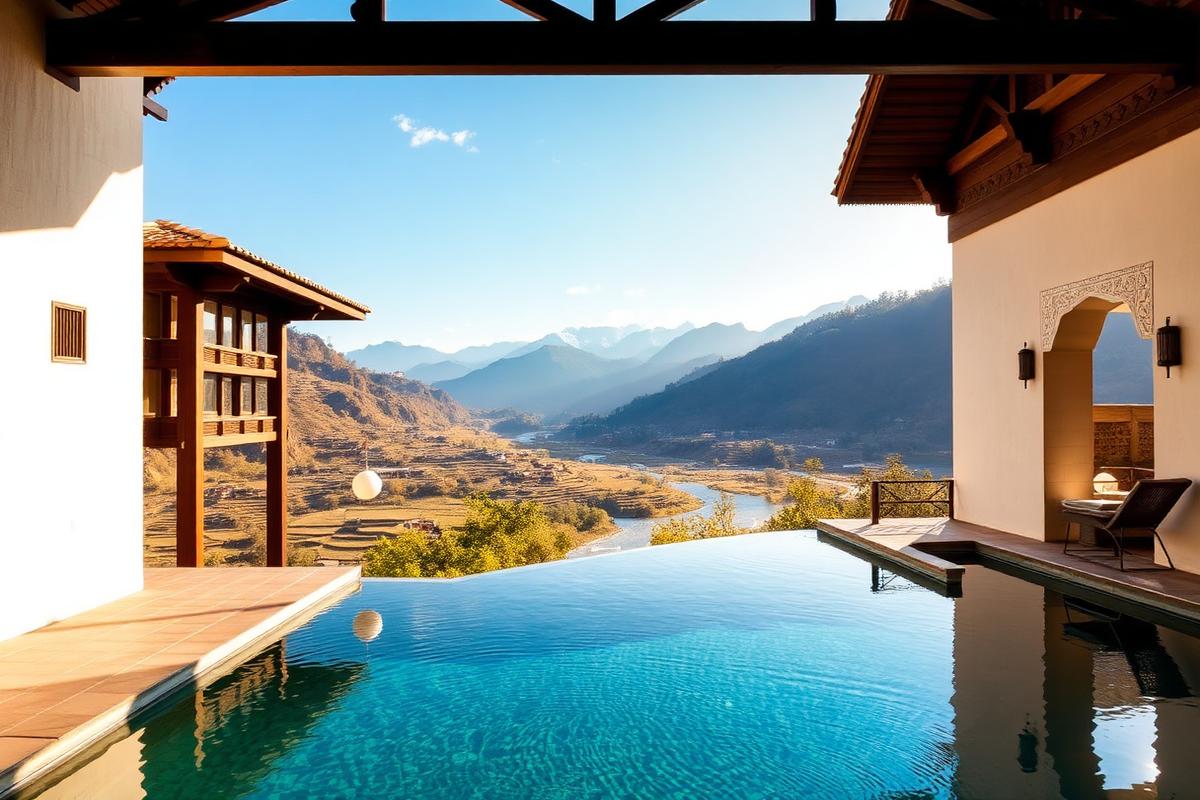 Six Senses Bhutan — Thimphu, Punakha, Paro, Gangtey, Bumthang
Also a five-lodge circuit, warmer and more contemporary than Aman, with strong spas and wellness programming. The Punakha lodge and its infinity pool over the rice terraces is the showstopper.